

What is the gut microbiome?
The gut microbiome is a complex set of trillions of microorganisms mainly bacteria but also fungi, viruses and archaea that reside in the gastrointestinal tract but mostly in the large intestine and in the case of hindgut fermenters such as horses a large quantity also exist within the caecum Aswell. In the horse the gut bacteria play a crucial role in the digestion of fibre through fermentation, essentially the breakdown of structural carbohydrates found in forage into volatile fatty acids (VFAs) providing around up to 70% of the horses’ energy needs. The gut microbiome also plays many other roles not just specific to horses but many other species playing a critical often symbiotic role in health and survival acting like a supportive that regulates many fundamental biological processes such as nutrition, immune development, pathogen protection and environmental adaption. Much research has been done on the gut microbiome to try and understand it’s complex relationship between health and environmental influences. Many factors have been shown to have an influence on the disposition of the gut microbiome, in the horse in particular this includes factors such as diet, environment, stress and management with other factors including environmental change, antimicrobial use and the horse age or breed. On a basic level we know that high fibre diets (forage/hay) feed the “good” bacteria in gut supporting a diverse healthy microbiome whereas diets high in starch non-structural carbohydrates are bad for the horse as these lead to rapid fermentation and acidosis in the hindgut leading to decreasing the diversity and increasing harmful microbes. This is hence what leads to digestive upset in the horse Aswell as a host of other problems such as laminitis, Colic gastric ulcers, inflammation and many unwanted behaviour changes. We also know that microbes in the horse’s gut are particularly sensitive to dietary change as they cannot quickly adapt to a new feed type suddenly being introduced leading to a disruption in the gut balance called gut dysbiosis. This is why it is gut practice when making changes to the horse’s diet to do it slowly to allow time for the microbes in the gut to adapt.
What has recent research into the gut microbiome focused on?
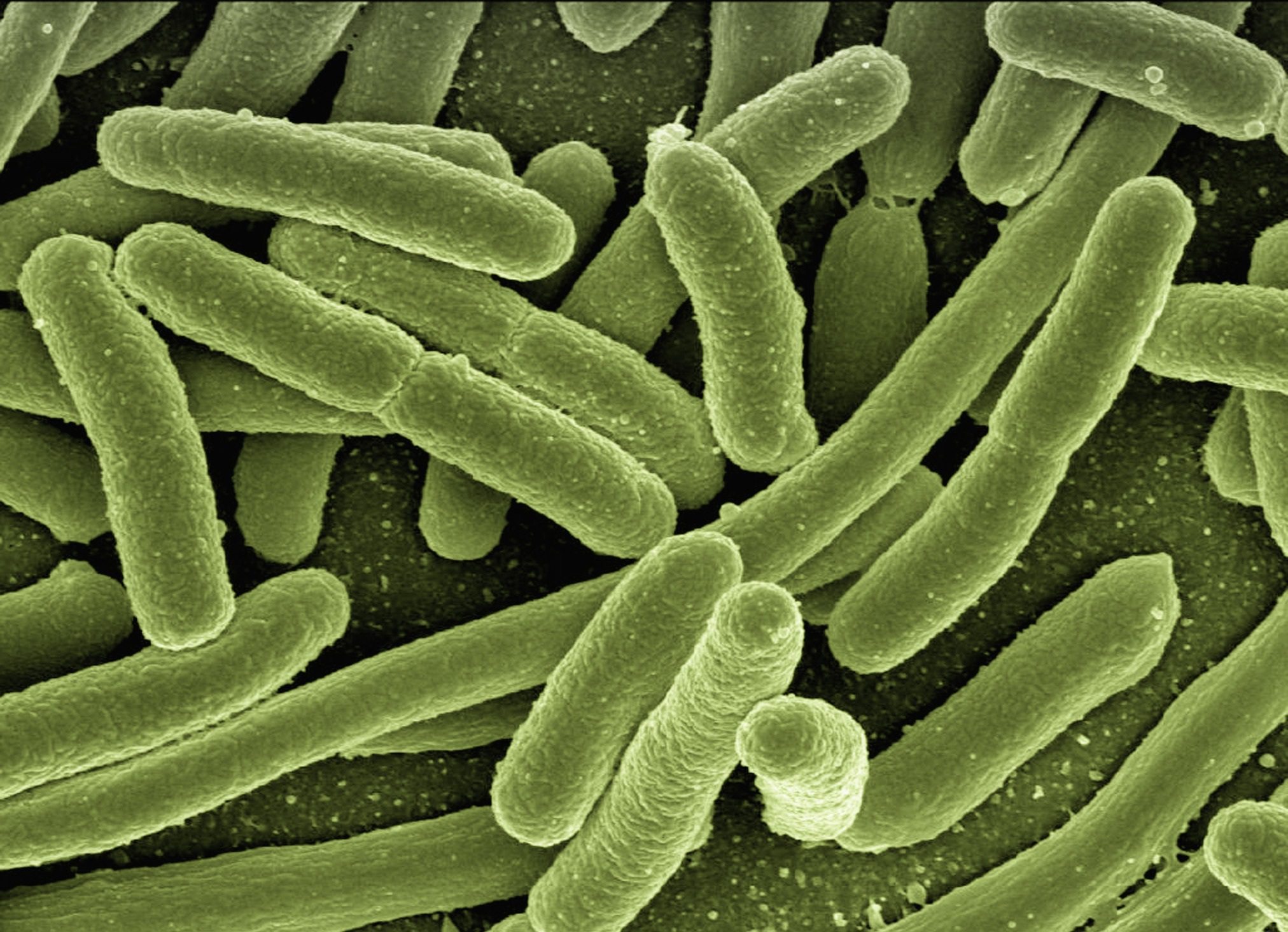
Recent research has begun to focus increasingly more on the dysbiosis of the modern horse investigating the mismatch between ancestral digestive evolution of the horse in comparison to contemporary management conditions in modern domesticated horses and the effect this has on the gut microbiome and hence the long-term health of the horse. In a wild setting horses will naturally roam long distances essentially eating a large variety of different plant species naturally feeding and providing an ideal environment for a diverse range of gut bacteria. This is in stark contrasts to the domesticated horse which is kept stabled for long periods with higher starch diets and limited pasture and selective grazing opportunities all of which will have an effect of the disposition of bacteria and microbes found within the hindgut of the horse. This transition from a diverse, forage-based existence to a controlled, high-starch environment has prompted a surge in metagenomic studies aimed at quantifying the ‘microbial erosion’ occurring in the modern horse. Essentially focusing on how this loss of microbial diversity triggers specific metabolic pathways that lead to systemic inflammation and chronic disease. To map this, scientists have turned to Next-Generation Sequencing (NGS) a technology capable of rapidly decoding vast amounts of genetic material simultaneously. This high-resolution approach has unveiled thousands of previously ‘invisible’ microbial species, providing a far more complex and accurate map of the equine hindgut than was ever possible with traditional lab cultures.
What does this mean for the horse?
By providing a higher resolution map of the hindgut this allows research to go beyond generalisations and more accurately quantify how management factors such as stabling duration, social isolation and transport stress directly affect microbial stability. This more data driven approach transforms management into a more precision based system where the physiological cost of modern domestication can be measured and mitigated in real time. What also makes this important to quantify is that much research into the gut microbiome has shown it acts not just as a passive digestive site but like a second brain that actively communicates with the horse’s central nervous system and muscles linked via the vagus nerve. Microbes in the hindgut are responsible for producing precursors to essential neurotransmitters like serotonin and dopamine and recent studies have shown links to behavioural reactivity as dysbiosis caused by high starch diets or stabling can disrupt these chemical signals hence why we may see more “spookiness” or anxiety like behaviours in some horses. These stress cycles can be a two-way street whereas imbalanced gut causes stress, environmental stress (like transport or competition) also increases gut permeability (leaky gut), allowing endotoxins to enter the bloodstream and cause systemic inflammation. There are also implications for increasing athletic performance in horses as the gut-brain axis and athletic performance are intrinsically linked through the production of microbial metabolites like butyrate and neurotransmitters like serotonin as mentioned earlier. These dictate both the horse’s mental focus and physical energy efficiency. In a recent 2025 study Li et al. (2025) It was identified that high-performance racehorses have an abundance of butyrate-producing bacteria. This is a short-chain fatty acid (SCFA) which enters the bloodstream and travels to the muscle where it increases mitochondrial function (the “powerhouses” of the cells) and Improves muscle fibre type and oxidative capacity, directly enhancing stamina and sprint speed. By understanding that the gut microbiome acts both as a metabolic engine and a neurological regulator we understand that by maintaining microbial diversity we are not just preventing colic but actively supporting the gut-muscle axis for enhanced stamina and the gut-brain axis for a calmer, more trainable athlete.
Conclusion
By shifting management from Treating the horse to more to nurturing the ecosystem of the gut microbiome we can better understand how to manage horses in a domestic environment for both better health and performance.
References
Li, C., Li, X., Liu, K., et al. (2025). ‘Multiomic analysis of different horse breeds reveals that gut microbial butyrate enhances racehorse athletic performance’. npj Biofilms and Microbiomes, 11(1), 87.